
PROXY SERVER
Introduction: Buying proxy servers is a strategic decision for many businesses and individuals who value online privacy and efficiency.
When considering the purchase of proxy servers, there are several factors to keep in mind.
In this article, you will find a complete guide to purchasing proxy servers, including evaluation criteria, technical details, legal issues, and best practices for maintenance.
Increasing concerns over online privacy, data security, and accessing restricted content have made proxy servers an attractive purchase for many.
Why Buy Proxy Servers?
A primary advantage of purchasing proxy servers is that they hide your true IP address, offering a higher level of anonymity online.
Additionally, proxy servers can improve your network’s performance by caching frequently requested data and reducing load times.
Furthermore, proxy servers enable users to bypass regional restrictions and censorship, providing access to otherwise unavailable content.
Assessing Your Requirements
Before buying proxy servers, it is crucial to determine your specific needs and use cases.
Depending on your objectives—such as secure web browsing, data extraction, ad verification, or social media management—your proxy server needs will vary.
Consider whether you need a dedicated proxy server, a shared proxy server, or a rotating proxy service.
Technical Specifications and Performance
Technical criteria should be a top priority when purchasing proxy servers.
The main technical considerations are speed, reliability (uptime), available bandwidth, and encryption standards.
For applications that require real-time performance, high-speed proxies with minimal latency are crucial.
Checking the provider’s network infrastructure and the geographic locations of data centers can help ensure the best performance.
Security and Privacy Aspects
Make sure the proxy servers you purchase come with strong security and privacy features.
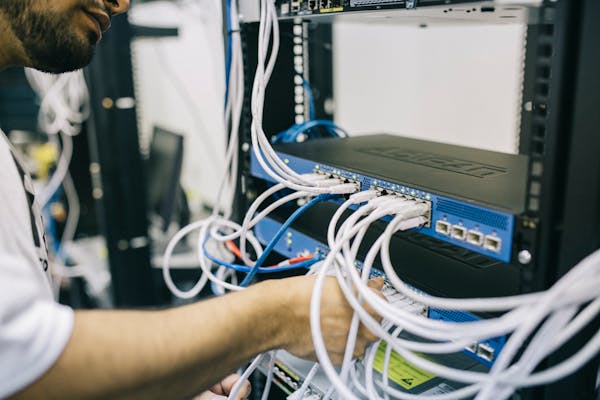
Key security features to look for include SSL encryption, the ability to rotate IPs, and the use of secure protocols.
Confirm that the proxy service respects your privacy by enforcing strict no-log policies and robust security measures.
Legal and Compliance Considerations
Legal issues are a key consideration when purchasing proxy servers, so ensure you understand the relevant regulations.
Be aware that proxy server use is subject to different laws in various countries.
Ensure that your intended use of proxy servers complies with local laws and regulations.
Non-compliance with legal requirements can lead to fines or other legal consequences.
Budgeting for Proxy Servers
Another important factor when buying proxy servers is cost.
It is wise to compare prices across various providers and understand what features are bundled in the cost.
Some providers charge a flat monthly fee while others use a pay-as-you-go model.
Determine whether premium features like dedicated support or enhanced security justify a higher price.
Evaluating Provider Support
Reliable customer support can be a decisive factor when choosing proxy servers.
It is beneficial to choose a provider known for its responsive, 24/7 customer support services.
Investigate customer feedback and ratings to understand the support quality offered by the proxy provider.
Reliability and uptime are critical, so choose a provider known for minimal downtime and stable performance.
Ease of Deployment
Ease of installation and configuration is an important consideration when purchasing proxy servers.
Providers that offer simple, plug-and-play solutions are ideal for those without extensive technical knowledge.
Others may require more complex setup procedures, which might be better suited for larger organizations with dedicated IT teams.
Verify whether the provider includes comprehensive installation instructions and technical support.
Scalability Considerations
As your needs change, scalability becomes a critical factor when buying proxy servers.
Providers who allow for scalable solutions, such as flexible plans and easy upgrades, are ideal.
With scalable proxy solutions, you can avoid the hassle of switching providers as your business grows.
Transparency and Trust
Transparency from the proxy provider is crucial for building trust.
Choose a provider that is upfront about its policies, pricing, and technical capabilities.
Conduct thorough research by reading reviews and checking the provider’s background and industry standing.
Reliable providers are known for clear communication and prompt responses to customer queries.
Practical Examples
Real-world examples can illustrate the benefits and challenges of using proxy servers.
Many companies have successfully integrated proxy servers into their operations to secure data and manage network traffic.
For example, businesses that use proxies for web scraping often see a significant improvement in data collection efficiency.
In digital marketing, proxies help in managing ad campaigns by ensuring accurate tracking and distribution of ad impressions.
These success stories demonstrate that the correct proxy server solution can result in significant advantages for business operations.
Tips for a Successful Purchase
Here are some final tips to help you make a successful proxy server purchase.
Start by researching available providers and comparing their service offerings in detail.
It is important to read user reviews and consult independent ratings before making your decision.
Beginning with a trial period or a smaller package can help you test the service before a full-scale purchase.
Fourth, ensure that the provider offers robust support and transparent policies regarding usage, refunds, and service guarantees.
It is wise to monitor industry trends and updates to ensure that your investment in proxy servers stays current and effective.
In Summary
In conclusion, buying proxy servers is a multifaceted process that involves evaluating technical, legal, financial, and operational factors.
The right proxy server solution can offer enhanced online privacy, improved network performance, and access to restricted content.
With careful research and a clear understanding of your requirements, you can select a proxy server solution that meets both current and future demands.
Remember that technology is constantly evolving, so keeping up with the latest trends and innovations is key to maintaining a competitive edge in the digital world.
No matter your size or industry, selecting the appropriate proxy server solution can transform your online operations and enhance your digital security.
We appreciate your time in reviewing this guide on purchasing proxy servers.
Our aim is that this guide provides clarity on the proxy server market and assists you in making a smart, informed decision.
This guide is designed to empower you with the knowledge you need to succeed in an increasingly digital world where security and performance are paramount.
Check more clicking here (buy proxy server)

Introduction: In today’s digital landscape, online privacy and security have become critical topics for both individuals and businesses. This article explains the differences between proxies and VPNs, highlighting how each technology works, their benefits, limitations, and ideal use cases.
Understanding Proxies: A proxy server acts as an intermediary between your computer and the internet. It routes your requests through a third-party server, masking your real IP address. This helps you access restricted content and maintain a level of anonymity.
Understanding VPNs: A Virtual Private Network (VPN) creates an encrypted tunnel between your device and the VPN server. All your internet traffic is routed through this secure tunnel, ensuring data privacy and protection from eavesdroppers.
Data Security Comparison: VPNs provide comprehensive encryption of your internet traffic, offering high security against data interception, whereas proxies typically only hide your IP without encrypting data, which can be less secure.
Key Differences – Scope of Protection: VPNs protect all internet traffic from your device, including system-level data, while proxies usually work on an application level, affecting only the traffic from specific programs like web browsers.
Speed Considerations: While VPNs may experience some performance degradation because of encryption, proxies generally offer higher speeds since they simply route your traffic; however, this speed advantage comes with reduced privacy protection.
Key Differences – Anonymity and Privacy: Proxies offer basic anonymity by hiding your IP address, but VPNs provide a higher level of privacy by encrypting your traffic and protecting your data from potential surveillance by third parties, including your ISP.
Proxy Use Cases: If your goal is to bypass geographical restrictions or maintain a certain level of anonymity for specific applications like browsing or data collection, proxies are a practical choice, especially when encryption is not a primary concern.
Ideal VPN Scenarios: VPNs are recommended when you require end-to-end security for all your internet activities, such as online banking, confidential communications, or any situation where data privacy is paramount.
Comparative Security: While proxies can hide your location, they lack the comprehensive security features of VPNs. VPNs encrypt all your traffic with advanced protocols, making them a more secure option for users who need to safeguard sensitive information.
Privacy Comparison: VPNs and proxies both serve to hide your IP address, yet VPNs add an essential layer of encryption, making them a better choice for those who need to keep their online activities confidential.
Cost Considerations: Cost is another factor that distinguishes proxies from VPNs. Generally, proxies tend to be less expensive because they offer fewer features and do not encrypt data. VPNs, by virtue of their enhanced security and privacy benefits, are usually more costly but provide a higher level of overall protection.
Ease of Use and Setup: Both proxies and VPNs are designed to be user-friendly, but their setup and configuration processes can differ. Proxies are generally easier to set up for individual applications, such as a web browser, whereas VPNs require installation of client software that will secure all traffic from your device.
Speed and Reliability: Proxies often provide quick connections, making them ideal for activities that do not require full security, whereas VPNs may experience minor slowdowns but offer enhanced stability and protection for sensitive activities.
Compatibility and Flexibility: VPN services are designed to work across all applications on your device, protecting all outgoing and incoming data. Proxies, however, are often used on a per-application basis and may not cover system-wide connections. This makes VPNs a more versatile option for users who want comprehensive security.
Technical Analysis: Technically, proxies serve as intermediaries that forward your internet requests, whereas VPNs establish encrypted tunnels to secure all transmitted data. This difference is crucial when deciding which tool to use based on your security needs and usage scenarios.
Anonymity Comparison: In terms of maintaining anonymity, VPNs offer superior protection because they not only mask your IP address but also encrypt your communications, while proxies simply reroute traffic without additional security layers.
Legal Comparison: The legal landscape for using proxies versus VPNs varies across jurisdictions. VPNs, due to their encryption and comprehensive protection, are sometimes subject to stricter regulations, whereas proxies often operate in a more lenient legal environment.
User Experience and Customer Support: When choosing between proxies and VPNs, the quality of customer support and ease of use are important factors. Many VPN providers offer user-friendly interfaces and 24/7 customer support, which can be critical for users who require assistance. Proxies, while often simpler to set up for specific applications, may not come with the same level of support.
Application Scenarios: In business settings, the full-spectrum security offered by VPNs is often necessary to protect sensitive data, while personal users might choose proxies for less critical tasks such as streaming or accessing content that is otherwise restricted.
Technological Developments: The future of both proxies and VPNs looks promising as developers focus on enhancing security features, performance, and ease of use. Innovations in encryption and network management will continue to drive improvements in VPN technology, while proxies will also evolve to meet the growing demands for speed and reliability.
Wrapping Up: Ultimately, understanding the differences between proxies and VPNs is key to choosing the right solution for your online activities. Proxies may be sufficient for casual browsing and geo-unblocking, but for comprehensive security and privacy, VPNs offer a more robust solution. Making an informed choice depends on balancing factors such as speed, cost, ease of use, and security requirements.
By weighing the pros and cons of each technology, users can select the tool that best aligns with their privacy goals and usage scenarios. Whether you prioritize speed and simplicity or security and comprehensive protection, both proxies and VPNs have their roles to play in today’s digital world.
With this comprehensive analysis, you now have the necessary insights to choose between a proxy and a VPN based on your specific needs. By understanding their differences, you can ensure that your online activities remain secure and private in a way that is both effective and efficient.
In a world where digital threats are constantly evolving, the importance of choosing the right online protection cannot be overstated. Whether you decide on a proxy for its simplicity and speed or a VPN for its all-encompassing security, ensuring your data remains private and your identity protected is paramount.
To conclude, both proxies and VPNs offer valuable benefits. Your decision should be informed by your specific needs—whether that is the fast, simple access provided by a proxy or the robust, secure connection afforded by a VPN.
We appreciate you taking the time to explore this comprehensive comparison of proxies and VPNs. May the information provided here help you choose the most appropriate tool for ensuring your digital privacy and security.
https://en.wikipedia.org/wiki/Proxy_server
https://support.microsoft.com/en-us/windows/use-a-proxy-server-in-windows-03096c53-0554-4ffe-b6ab-8b1deee8dae1
https://csrc.nist.gov/glossary/term/proxy
https://www.reddit.com/r/explainlikeimfive/comments/1dfgepb/eli5_what_is_a_proxy_server_and_why_would_i_as_an/
https://www.cloudflare.com/learning/cdn/glossary/reverse-proxy/
https://www.fortinet.com/resources/cyberglossary/how-to-setup-a-proxy-server
https://www.paloaltonetworks.com/cyberpedia/what-is-a-proxy-server
https://www.geeksforgeeks.org/what-is-proxy-server/
https://www.pcmag.com/explainers/what-is-a-proxy-server-and-do-you-need-one
CÓ THỂ BẠN QUAN TÂM
CANopen là gì – Giao thức truyền thông lớp ứng dụng dựa trên CAN bus
在越南 .vn 域名发布中文 PBN 内容
Apple tung bản sửa đổi iOS 26.5 quyết tâm dọn sạch lỗi tồn đọng ngay trong tuần đầu tiên
Bảng giá thu mua phế liệu tại Thái Bình hôm nay – Những yếu tố ảnh hưởng đến giá
CANopen là gì – Giao thức truyền thông lớp ứng dụng dựa trên CAN bus
https://thongtaccongvietphat.com/
https://thongtaccongvietphat.com/
https://vietanhgroup24h.com/